
Advantages of Varifocal Lenses in Mount Lens Applications
Flexibility in Focal Length Adjustment
Varifocal lenses are really flexible. You can change the view to match what’s going on. No need to move the camera. For instance, you can zoom out to see a big crowd. Or zoom in to focus on one person. This works great in places where things move a lot, like sports games or busy roads. The lens adjusts without changing its spot. You can tweak it easily to get the right shot. This saves time and effort in fast-moving situations. It’s perfect for jobs needing quick changes.
Enhanced Field of View Control for C Mount Lens Systems
In C mount vari-focal lens systems, often used for security, varifocal lenses offer awesome control. You can see a wide area. Or you can focus on a small spot. No need to swap lenses. This saves time and hassle. These lenses are ideal for big places, like parking lots or crowded spots. Needs can change fast in these areas. Varifocal lenses let you adjust quickly. You can watch a whole space or zoom in on something specific. This makes them super useful for monitoring tasks.
Cost Efficiency in Multi-Purpose Installations
Varifocal cctv camera lens may cost more at the start. But they can save cash later on. One varifocal lens can do the work of many fixed-focus lenses. It covers lots of focal lengths. This means you don’t need to buy extra gear. Setup gets easier too. You don’t have to keep changing lenses for different views. This is great for projects needing various angles. Over time, it cuts costs. You spend less on equipment and setup time.
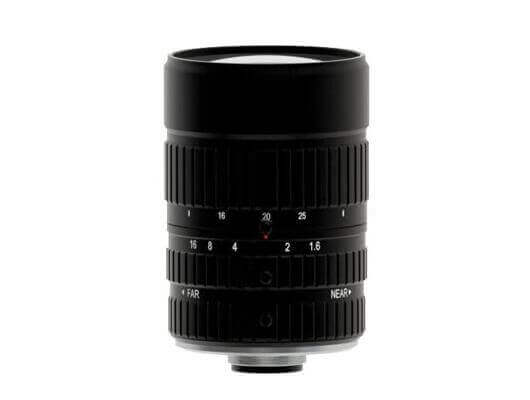
Disadvantages of Varifocal Lenses in Practical Use
Higher Complexity and Maintenance Requirements
Varifocal lenses have lots of parts inside for zooming. This makes them heavier. They’re also bigger than other lenses. More parts can lead to more problems. Things might break more often. These lenses may need fixing more than simpler ones. Over time, parts can move out of place. This can make pictures blurry. Keeping them working well takes more effort. You might need to check or repair them regularly.
Integration Challenges with Standard Mount Lens Configurations
Some cameras don’t play nice with varifocal lenses. Not all support automatic zoom. Some don’t have motorized controls. When using CS or C mount setups, you might need extra steps. Sometimes, you need special adapters. This can make things tricky. Setting up the lens might take more time. You may need to adjust it manually. This adds work to the process. It’s not always a smooth fit with every camera system.
| Advantages | Disadvantages |
| Adjustable Focus: | More Complex: |
| Change focal length without moving the camera. | Heavier design with more parts and higher maintenance. |
| Flexible View: | Compatibility Issues: |
| Easily switch between wide and narrow views—ideal for large areas. | May need extra setup or adapters to work with some cameras. |
| Cost-Effective: | |
| One lens can serve multiple purposes, reducing total equipment needs. |
Benefits of Fixed-focal Lenses in C Mount Lens Solutions
Simplicity and Stability in Image Performance
Fixed-focus lenses are super reliable. They don’t have parts that move for zooming. This keeps pictures clear and steady. Their simple design means fewer errors. They’re great for tasks needing the same sharp image every time. For example, scanning items in a factory. The lens stays consistent. You get dependable results. No need to worry about adjusting anything. This makes them a solid choice for steady jobs.
Lower Cost and Maintenance Needs
Fixed-focus lenses are cheaper to buy. Their basic design keeps costs low. They don’t need much care either. With fewer parts, less can go wrong. This saves money on fixes over time. They’re a smart pick for projects on a budget. You spend less upfront. And you save on upkeep too. These lenses are easy to maintain. They’re a practical choice for many users.
Ideal for Specific-Focus Applications Using C Mount Lens
In jobs like factory automation or barcode scanning, C mount fixed-focal lens is perfect. They’re made from top-notch materials. This gives great image quality. The focus stays the same, which is ideal for steady settings. They deliver reliable results every time. No changes are needed. These lenses work well in places where conditions don’t shift. They’re built to last and perform consistently.
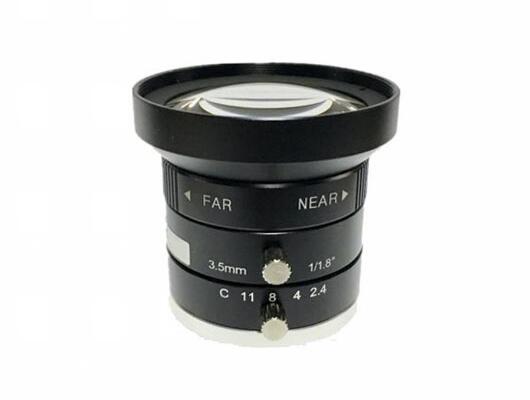
Limitations of Fixed-focus Lenses Compared to Varifocal Options
Reduced Adaptability to Changing Environments or Targets
Fixed-focus lenses struggle in places where things change a lot. For example, outdoor security. They can’t adjust to new light or moving objects. This makes them less helpful in active settings. Flexibility is key in those spots. Fixed-focus lenses stay locked in one view. If conditions shift, they can’t keep up. This limits their use in dynamic areas. You might miss important details.
Limitations When Used with Versatile Mount Lens Systems
Fixed-focus lenses fit many mounts, like C mount, M12 mount. But they’re not very flexible. You might need different lenses for different tasks. Each lens has one focal length, like 8mm, 25mm, or 50mm. This means extra gear for varied jobs. It can make setups more complicated. It also costs more to have multiple lenses. You need to plan ahead to cover all your needs
| Benefits | Limitations |
| Simple and Stable: | Not Adaptive: |
| Delivers consistent, clear images in fixed settings. | Poor performance in dynamic or changing environments. |
| Low Cost & Maintenance: | Less Versatile: |
| Affordable and durable with minimal upkeep. | Requires multiple lenses for different tasks; not ideal for systems needing flexibility. |
| Great for Specific Uses: | |
| Ideal for fixed-focus tasks like factory automation or scanning. |
Factors to Consider When Choosing Between Varifocal and Fixed-focus Lenses
Application Requirements and Environmental Conditions
Think about what your project needs. For steady tasks, like checking parts in a factory, fixed-focus lenses work well. They’re great in controlled places. Everything stays the same. But for unpredictable spots, like public areas or busy lots, varifocal lenses are better. They adapt to changes fast. You can adjust the view as needed. This makes them ideal for active settings.
Depth of Field
Depth of Field (DoF) refers to the span from the closest to the furthest point in clear focus. Cameras with Varifocal lenses offer broader field depths than their fixed-focus counterparts. But sometimes, depending on the use case, a fixed-focus camera lens may be required, as some applications do not need broader field depths.
Compatibility with C Mount Lens and Other Mount Lens Types
Check if your lens fits your camera’s mount. For example, C mount or CS mount. CS mounts have a shorter back focal distance. They’re made for smaller sensors in security cameras. A good match means clear pictures. It also makes setup easy. Always check compatibility before you buy. This avoids problems later. It ensures the lens works well with your system.
Budget, Installation Time, and Long-Term Maintenance Considerations
Varifocal lenses cost more at first. But their flexibility can save money later. You might not need extra lenses. This cuts costs for projects needing different views. Fixed-focus lenses are cheaper upfront. They also need less care. Their simple design means fewer repairs. Decide what matters more: flexibility or low cost. Think about setup time and future upkeep too.
Hangzhou AICO Electronics Co., Ltd. Customization Service provides custom options for both varifocal and fixed-focus lenses. They support formats like C-mount, CS-mount, and M12-mount to meet various optical needs.
Frequently Asked Questions (FAQ)
Q: Which type provides better image quality?
Fixed-focus lenses usually give sharper pictures. Their simple design cuts down on blur. This makes them awesome for clear images.
Q: Can I use a varifocal lens on any CS mount camera?
Yes, but check first. CS mount cameras work with many CS-compatible lenses, including cs mount varifocal lens. Some need manual tweaks to work right.
Q: Are varifocal lenses harder to maintain?
Yes. Their zooming parts make them more complex. They’re heavier and bigger. This means they might need more fixes than simple lenses.
Q: Do I need multiple fixed focus lenses for different scenes?
Often, yes. You can’t adjust their focal length. So, you need different lenses for different distances or angles, based on your subject.
Q: What should I consider when choosing between these two?
Look at your project’s needs. If you need flexibility, choose varifocal lenses. For steady tasks that don’t change, fixed-focus lenses are better.