
Why Lens Choice Matters in Sports Photography
The Challenge of Fast Motion
Sports happen quickly. A runner might finish a race in less than ten seconds. A tennis ball can zip by at over 200 km/h. For photographers and videographers, blurry pictures are a big problem. Blur might look cool in some photos, but in sports, it means missing the action. Fans and professionals want clear images. They want to see an athlete’s face during a jump, the spin of a ball, or players crashing into each other.
The Role of Shutter Speed and Aperture
A quick shutter speed stops action in its tracks. For example, 1/1000s keeps things sharp. But fast shutters let in less light. That’s where aperture helps. A lens with a big opening (low f number) grabs more light. This keeps photos bright even with a speedy shutter. In night games like football or indoor basketball, balancing aperture and shutter makes the difference between a clear shot and a grainy one.
Key Features of Sports Camera Lenses
Wide Aperture for Better Light
A wide aperture, like f/1.8 or f/2.0, works great in dark stadiums or evening games. It pulls in lots of light. Plus, it makes the athlete pop out against a fuzzy background. At the Tokyo Olympics, photographers used wide aperture telephoto lenses. These got bright, clear shots of runners under stadium lights.
Fast Autofocus Systems
Sports players move fast. Autofocus needs to keep up. A slow lens misses the shot. Lenses with quick, quiet focus motors can follow a soccer player or a skateboarder doing tricks. Good autofocus means you don’t lose the moment.
Low Distortion and High Resolution
Distortion bends shapes. A straight goalpost looking curved isn’t good. In soccer video reviews, distortion can mess up calls about whether the ball crossed the line. High resolution lenses with low distortion keep images true. For example, AICO’s 3.0mm non-distortion m12 rectilinear lens keeps lines straight and details sharp, even in wide shots.
Lens Types Commonly Used in Sports Cameras
Telephoto Lenses for Distant Action
For sports like football, rugby, or track, photographers pick 50mm or 70mm 8mp 4k M12 mount telephoto board lens. These zoom in on players far away. At the FIFA World Cup, pros line up with big telephoto lenses. They catch key moments like penalty kicks or a sprinter’s finish.
Wide Angle Lenses for Stadium Atmosphere
Sometimes, it’s not just the players. You want the whole scene, fans, lights, and excitement. Wide angle lenses capture it all. In the NBA Finals, a wide angle shot shows a player dunking and the cheering crowd. These lenses cover big areas without needing extra space, which helps in tight spots.
Compact M12 and Board Lenses for Action Cams
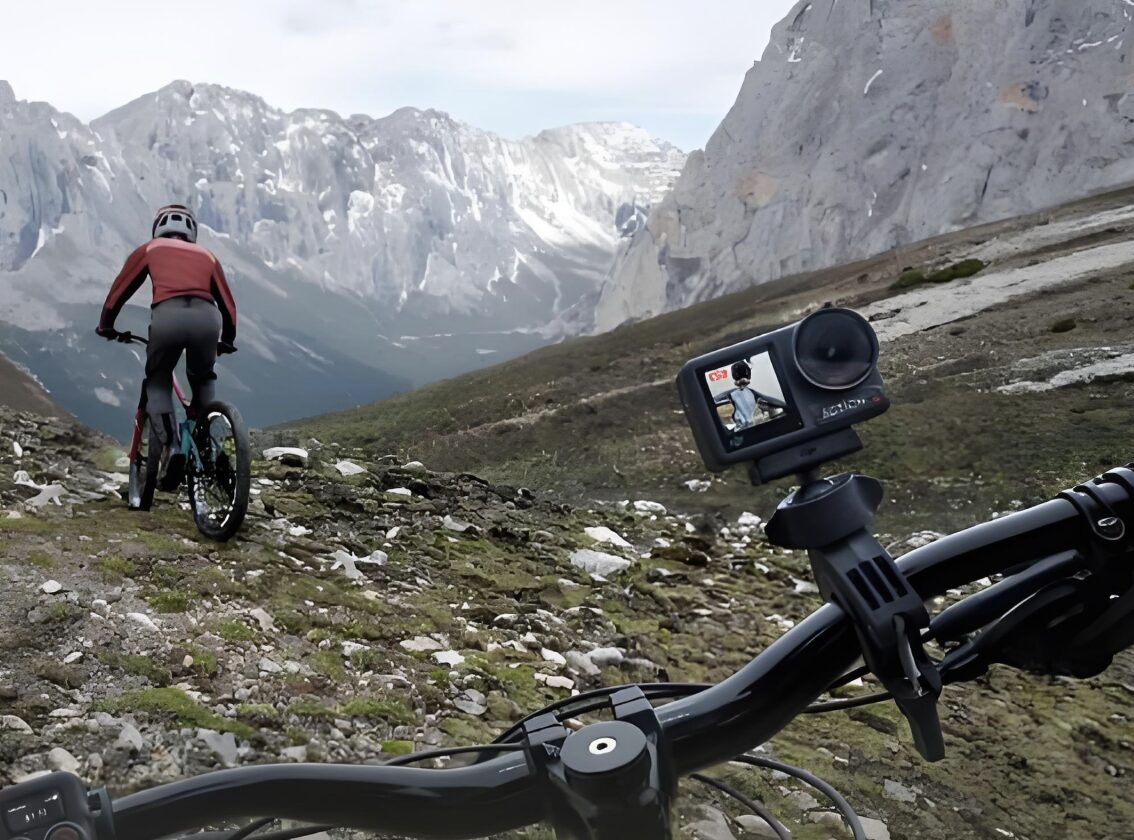
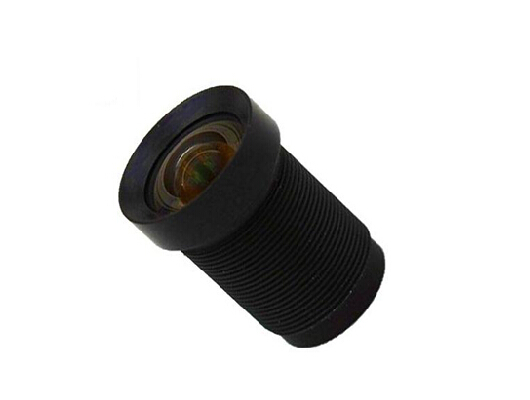
Athletes use action cameras on helmets, bikes, or surfboards. These often have M12 mount board lens. They’re small but strong. Their tiny size fits portable cameras. Products like the M12 mount board lens combine small design with great performance. They give smooth video for sports like mountain biking or snowboarding.
How to Minimize Blur in Sports Imaging
Balancing ISO, Aperture, and Shutter Speed
ISO, aperture, and shutter speed work together. They’re called the exposure triangle. High ISO brightens photos but adds grain. A wide aperture lets in light but blurs the background. A fast shutter freezes action but makes things darker. Photographers adjust these based on light. For indoor volleyball, many use ISO 1600, aperture f/2.8, and shutter speed 1/1000s. This gets clear shots.
Using Image Stabilization
Image stabilization (IS) stops camera shake. Optical IS moves lens parts to steady the shot. Electronic IS fixes things digitally. In sports like horse racing, where you track fast action, IS keeps things steady. But IS can’t replace a fast shutter for freezing motion.
Post Processing vs Optical Quality
Editing tools can fix some noise or sharpen images. But they can’t save a blurry shot. A bad photo stays bad. That’s why good lenses matter when you shoot. High quality optics, like those from AICO, mean less editing later.
Practical Applications in Different Sports
Fast Team Sports (Soccer, Basketball, Hockey)
These sports have quick moves, sudden turns, and fast pace. Lenses need speedy focus and flexible zoom. In hockey, where pucks fly super fast, broadcasters use telephoto and wide angle lenses together. This covers players and the rink.
Racing and Extreme Sports
Motorsports like Formula 1 or MotoGP need super fast lenses. Cars go over 300 km/h, so blur is tough to avoid. Long telephoto lenses are key. Action cameras with wide angle M12 lenses give cool views from inside the cockpit. For surfing, waterproof cameras with board lenses show waves and tricks up close.
Indoor vs Outdoor Sports
Indoor arenas have tricky lighting. It’s often dim or uneven. Wide apertures and high ISOs are common. Outdoor sports deal with bright sun, shadows, or glare. Photographers use lens hoods, filters, and low distortion lenses. These keep colors real and avoid weird effects.
Choosing the Right Sports Camera Lens with AICO
Wide Angle Options for Action Cameras
Fans love first person views. Wide angle M12 lenses in small action cams make you feel there. AICO’s lenses balance wide views with clear details. They’re great for athletes checking their own moves.
Low Distortion Lenses for True to Life Shots
Distortion can trick the eye. In sports analysis, that’s bad. Lenses with distortion under 2% show the field accurately. AICO’s 4k 12mp low distortion m12 mount board lens is a solid choice for clear, true shots.
Contacting AICO for Custom Lens Needs
Every sport is different. AICO makes creative lens solutions. They work with camera makers to build lenses for specific sports needs. Their wide range makes them a great choice for sports imaging.
FAQ
Q1: Why do sports cameras need special lenses?
Sports move fast, have changing light, and cover big areas. Regular lenses can’t keep up. Sports lenses are quicker, brighter, and more exact.
Q2: Are M12 lenses only for action cameras?
No. M12 lenses shine in action cams but also work in industrial, medical, and security cameras. Their small size makes them handy for many uses.
Q3: How does low distortion affect sports footage?
Low distortion keeps lines straight and shapes right. In sports broadcasts, this matters for fair calls and good viewing.
Q4: Can one lens cover both close up and far shots?
Varifocal lenses switch between wide and zoomed views. But most pros carry multiple lenses to handle everything.
Q5: What makes AICO stand out in this field?
AICO has years of know how and offers many lens types. Their telephoto, wide angle, and board lenses meet the real needs of sports and action imaging.