
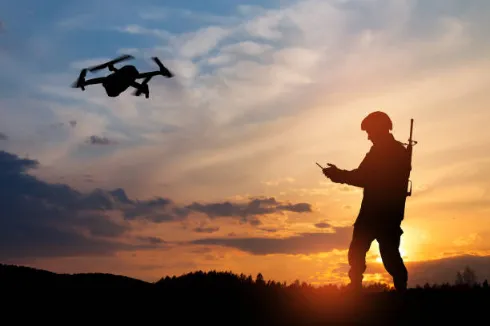
 Introduction — The Growing Role of Drones in Rescue Missions
Drones have changed search and rescue forever. They fly into tough spots where people can’t go easily. High zoom capabilities make them even better for spotting folks from far away. This tech saves time and lives in emergencies.
Why Aerial Support Matters in Search and Rescue
Aerial views give rescuers a big picture. Drones spot survivors quickly over wide areas. Think about floods or wildfires. Ground teams struggle, but drones soar above and scan everything. They cut down search times a lot. Plus, they carry cameras that zoom in on details like a person’s face or a distress signal. It’s all about getting eyes in the sky fast.
Challenges in Long Distance Rescue Operations
Long distances mean big problems. Terrain gets rough, weather turns bad, and signals fade. Rescuers might hike miles or wait for helicopters. Fuel runs out, and fatigue sets in. Drones help bridge that gap, but without strong zoom, they miss key details from afar.
The Rising Demand for Precision Vision Systems
Demand for better vision tech is skyrocketing. Agencies want systems that see clearly from miles away. Precision means identifying a hiker in dense woods or a boat in choppy seas. High zoom lenses meet this need. They’re not just gadgets; they turn drones into lifesavers.
High Zoom Drone Technology Explained
High zoom tech lets drones see far without losing clarity. It’s like binoculars on steroids, mounted on flying machines. These systems magnify distant objects so rescuers can act on solid info.
What Is a High Zoom Lens in Drones?
A high zoom lens is the eye of the drone. It enlarges images optically, not just digitally, to keep things sharp. Drones with 10x zoom or more spot a license plate from a kilometer out. Simple as that. But it’s not magic; it’s optics at work. These lenses focus light precisely, even in motion.
Key Optical Parameters: Zoom Ratio, Aperture, and Focal Length
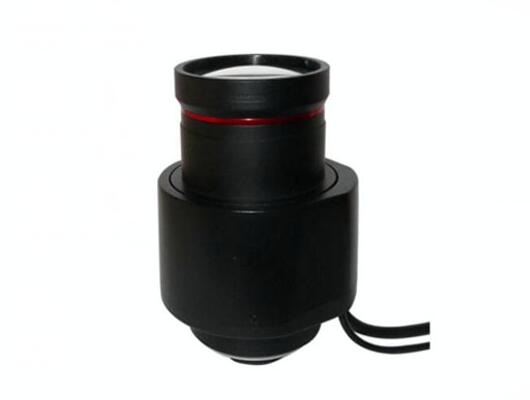
Zoom ratio tells how much magnification you get. A 10x ratio means ten times closer. Aperture controls light intake; bigger ones work better in low light, like dusk rescues. Focal length affects the field of view. Long focal lengths narrow in on targets. Mix them right, and you have a powerhouse. (e.g. AICO’s 12-120mm auto iris C mount manual zoom varifocal lens )
Fixed vs. Varifocal vs. Motorized Zoom — Which Fits Rescue Needs?
Fixed is basic and reliable, no moving parts to break. Varifocal lets you adjust manually, good for setup but clunky in flight. Motorized zoom shines in rescues; it changes on the fly via remote control. Most pros pick motorized for dynamic situations.
How High Zoom Drones Enhance Long Distance Rescue Efficiency
These drones make rescues smarter and quicker. They zoom in from safe distances, spotting trouble before it escalates. Efficiency jumps when tech handles the heavy lifting.
Detecting Victims in Remote or Hazardous Terrains
In mountains or deserts, victims hide in plain sight. High zoom drones pierce through that. They hover high and zoom to check crevices or thick brush. No need to risk lives on the ground right away.
Real Time Monitoring and Target Tracking
Monitoring live feeds changes everything. Drones track moving targets, like a drifting kayaker. Zoom keeps the lock even as distance grows. Software helps stabilize the view. Rescuers watch from base, directing teams precisely. It’s not perfect; wind can shake the image a bit. But overall, it beats waiting for updates.
Minimizing Risk to Human Rescuers
Why send people into danger? Drones with high zoom scout first. They assess scenes without boots on the ground. Cuts injury rates big time. In urban collapses or forest fires, this tech spots safe paths. Human teams arrive prepared, not blind. Sure, drones can’t replace gutsy rescuers, but they sure make their jobs safer.
Integrating AI and Thermal Imaging with Optical Zoom
AI pairs great with zoom. It analyzes zoomed images to flag humans or heat signatures. Thermal imaging adds night vision, spotting body heat through fog. Together, they create a super system. Optical zoom provides detail, AI sorts it out. In cold waters, thermal picks up survivors fast.
Technical Considerations When Choosing a Zoom Lens for Rescue Drones
Picking the right lens means weighing pros and cons. It’s about fit for the job, not just specs.
Balancing Optical Zoom and Image Stability
High zoom amplifies shakes. Stability tech like gimbals counters that. Electronic stabilization helps too. But overdo zoom, and blur creeps in. Test in wind to see. Lenses with built in stabilizers win for drones. Balance is key; too much zoom without steadying, and images turn useless.
Importance of Low Distortion and High Resolution in Identification
Distortion warps edges, messing up IDs. Low distortion lenses keep shapes true. High res captures fine details, like clothing patterns. In rescues, identifying a person matters. 4K or better is standard now. Barrel distortion? Avoid it. Clear views lead to right calls. (e.g. AICO’s 1.1 inch P-Iris 12mp 4K C mount motorized focus zoom CCTV lens )
Lightweight, Compact Design for Drone Compatibility
Drones can’t haul heavy gear. Compact lenses save weight, extend flight time. Materials like composites help. Size affects aerodynamics too. Bulky ones drag more. For rescue models, slim designs integrate easy. Nobody wants a drone that tips over from a chunky lens.
Environmental Adaptability — Heat, Moisture, and Vibration Resistance
Rescues happen in extremes. Lenses need seals against moisture. Heat resistant coatings prevent warping. Vibration from flight? Dampers absorb it. IP rated lenses handle dust and splashes. In humid jungles or icy peaks, tough build counts. Skip cheap ones; they fail when needed most.
Optical Solutions for Long Distance Rescue Applications
AICO specializes in lenses for tough jobs. Their tech fits drones perfectly for far off rescues.
AICO’s Precision Zoom Lenses for Drone Systems
AICO makes zoom lenses with high ratios, up to 20x. Designed for drones, they offer sharp focus at distance. Compatible with popular models. Built for clarity in motion.
Future Trends in Drone Based Rescue Vision Systems
Tech keeps evolving. Drones will see smarter and farther.
Combining Multi Sensor Imaging (Optical + Infrared + LiDAR)
Mix sensors for full coverage. Optical zoom for day, infrared for night, LiDAR for 3D maps. Combos detect through smoke. Future drones fuse data real time.
AI Assisted Image Analysis for Faster Target Recognition
AI speeds up spotting. It IDs patterns quicker than eyes. Machine learning improves with data. Soon, drones alert on anomalies automatically. Less human error.
Advancements in Lens Miniaturization and Stabilization
Lenses get smaller, lighter. Nano tech shrinks components. Better stabilizers use AI for smoother views. Longer flights, sharper zooms ahead.
Conclusion — The Power of Vision in Saving Lives
Vision tech transforms rescues. High zoom drones lead the way, making distant ops doable.
The Transformative Impact of High Zoom Drone Lenses
These lenses turn vague spots into clear targets. Lives saved rise as tech spreads. Impact shows in stats from agencies worldwide.
AICO innovates with new designs. They focus on rescue needs, advancing optics step by step.
FAQ
Q1: What makes high zoom drones better than regular ones for rescues?
High zoom allows detailed views from safe distances, reducing risks and speeding up detection in vast areas.
Q2: How far can a high zoom drone see clearly?
It depends on the lens, but many reach clear views up to several kilometers with 20x or higher zoom ratios.
Q3: Are high zoom lenses affected by weather?
Yes, but quality ones have protections against rain, heat, and wind. Always check environmental ratings.
Q4: Can AI really help in drone rescues?
Absolutely. AI analyzes images fast, spotting heat or movement that humans might miss.
Q5: What’s the cost range for a rescue drone with high zoom?
Prices vary from a few thousand dollars for basics to over $10,000 for pro setups with advanced lenses. Check vendors for details.