
Optical Characteristics of Wide Angle Fisheye Lenses
Panoramic Capabilities and Viewing Angle Coverage
Fisheye lenses offer a 180° or even broader viewing angle. They cover a bigger space. This cuts down on blind spots in monitoring. It helps achieve full panoramic views. Such a wide field of view makes these lenses key in jobs that need complete scene coverage.
These lenses work well in ceiling based watch setups or nature checks. They grab a whole half sphere in one shot. So, you don’t need several cameras that overlap. That makes setup easier. It also lightens the load on networks and storage.
Distortion Effect and High Perspective Impact
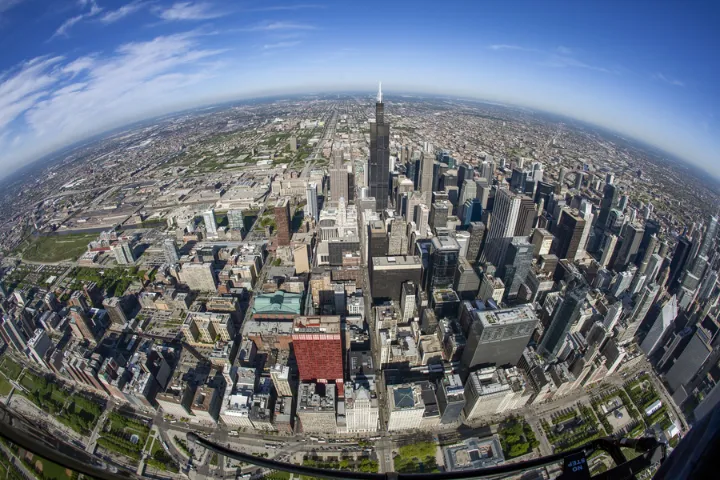
The usual barrel distortion, called the fisheye effect, isn’t a problem. It’s built on purpose. Fisheye lenses use a round projection method. Straight lines bend away from the middle. This boosts how space looks. It helps in tight spots like elevators or small labs for better space sense.
In science visuals, this bend aids experts in seeing space moves. For example, air flow near items or tiny bits acting in closed areas shows up clearer.
Depth of Field and Close Focus Performance
Wide angle fisheye lenses often have a big depth of field. It goes from near items to far away spots. This lets you catch fine details up close without losing the big picture behind.
These traits shine in lab spots or machine sight systems. There, you need both close up and wide info at once. Focusing on things just inches away while seeing a large area gives sharp pictures over different ranges.
Applications in Scientific Imaging Systems
Environmental Monitoring and Atmospheric Research
Fisheye lenses hold an important spot in sky watch tools. They take in full half sky views to track cloud moves, sun light, and air light spread.
Drones gain a lot from these lenses. That’s because of their small size and wide sight. So, nature gear on drones can be made better without losing data sharpness.
Microscopy, Biometric, and Laboratory Imaging
Changed fisheye optics let you watch big areas in cramped lab rooms. These lenses help picture large living samples or tricky test setups. Otherwise, you’d need more cameras or moving them around.
Plus, their good light pass helps in dim conditions. That’s common in glow microscopy or quick lab checks.
Astronomical and Celestial Observation Platforms
In star studies, fisheye lenses fit into all sky cameras. They spot northern lights, shooting stars, and air checks. Covering huge sky areas without moving parts is a big plus.
Sensitive optics boost their work in dim times. Like during star falls or light shows at the poles. That makes them must have for watch posts and study sites.
Integration into Surveillance Systems
Indoor Surveillance and Spatial Awareness Enhancement
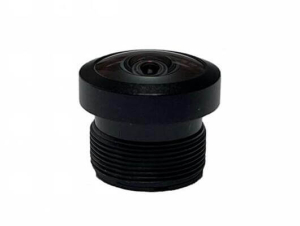
Fisheye lenses get used a lot inside for watching. They check a whole room with just one camera. Fisheye lens is a special wide angle lens with a large field of view. It is widely used in many industries, especially in the field of security monitoring.
Digital fix up tools turn the round pictures into flat ones you can use. Security folks can zoom and look around on screen. No need for moving parts. This cuts blind spots in shops, work places, and public spots.
Outdoor Security and Perimeter Monitoring Solutions
In large outdoor environments such as airports, sports fields, and industrial zones, fisheye lenses provide wide-area coverage with fewer cameras. When housed in rugged enclosures from AICO, these systems can withstand harsh weather conditions and are suitable for long-term outdoor deployment.
Panoramic pictures help spot events live over large areas. You need little setup for that.
Vehicle Based Monitoring and Industrial Safety Systems
Car systems count on wide angle fisheye lenses for 360° parking help and crash dodge. In factory auto jobs, they aid machine sight where moving isn’t easy.
AICO’s small fisheye types fit right into built in setups with M12 mounts. That suits car and plant uses well.
Design Considerations for Professional Use Cases
Lens Size, Weight, and Mounting Flexibility
Light weight matters for drones, moving bots, or wearables. M12 mount fit makes adding to built in boards or sensors simple.
AICO’s fisheye line mixes good sight with small shapes. That works for tight space jobs.
| Feature | Benefit |
| Lightweight | Ideal for drones and mobile devices |
| M12 Mount | Standardized embedded integration |
| Compact Design | Fits into tight enclosures |
Low Light Performance and Aperture Control
Lenses with big openings like F1.5 do better in bad light. Better IR pass helps night watch. Low blur covers keep pictures clear over the full circle.
These parts are key in night edge safety or hidden inside checks.
Durability, Material Quality, and Environmental Resistance
Factory level fisheye lenses fight shakes, wild temps, and wet. Closed cases block dust and damp. That’s vital for outside or steamy spots.
AICO’s items hit tough trust rules for auto and safety fields.
Role in Creative Imaging Fields Beyond Surveillance
Landscape Photography with Emphasis on Spatial Curvature
Photo takers use wide angle fisheye lenses to make curves in buildings pop or boost open land size. The bend adds thrill. It turns plain views into deep ones.
This planned fisheye use lets artists stress shapes in ways normal lenses miss.
Sports Photography and Action Scene Capture
From full field shots to quick player grabs without turning, fisheye helps cover it. These lenses also aid ref check systems. One view needs to show many angles at once.
Experimental Visual Media Applications
VR makers use fisheye lenses to copy side eye sight and smooth space shifts. This deep way boosts stories in games, movies, and touch setups.
FAQ
Q: What is the typical viewing angle of a fisheye lens?
Fisheye lenses can provide a 180° or even wider viewing angle.
Q: Why do fisheye images appear distorted?
The barrel distortion is intentional. It allows hemispherical projection to capture a larger scene within one frame.
Q: Are fisheye lenses good for night surveillance?
Yes, especially models with large apertures (e.g., F1.6) and enhanced IR transmission.
Q:Can I use fisheye lenses in industrial automation?
Absolutely.