
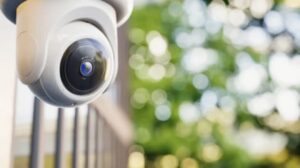
Before investing in a CCTV surveillance system, picking the best lens supplier is a basic step. It affects image quality, system fit, and lasting work. A good lens means more than clear pictures. It ensures your security setup uses optical parts that handle different jobs and weather conditions.
Key Factors in Selecting CCTV Surveillance Lens Suppliers
Product Range and Technical Capabilities
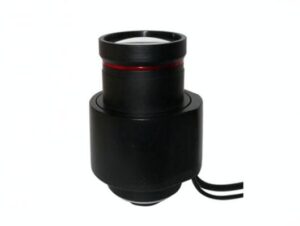
A wide product selection helps fit into many surveillance spots. Think of broad views for hallways or far-off guards for borders. Options in focal lengths like 2.1mm, 6mm, 8mm, and even 12mm–120mm zoom lens ranges let you adjust each camera’s view.
Fit matters just as much. For inside dome cameras or outside infrared ones, lenses need to work well with various sensor sizes and mounts. Seek suppliers with motorized zoom and auto aperture choices for new systems. Security cameras fall into types based on lens kind and count.
They include single lens (fixed focus, zoom) and multi-lens (multi-eye linkage, fish-eye linkage, multi-eye panoramic). Plus, by aperture type, they split into fixed aperture lens, manual aperture lens, and automatic aperture lens. Automatic aperture splits further into DC drive aperture lens, video drive aperture lens, P-iris lens, i-CS lens, etc.
Modern tech like IR-corrected optics and aspherical elements boosts work in dim light a lot.
Manufacturing Standards and Quality Control
Quality checks should be solid. Pick makers with strong precision building methods that stress steady results. Following ISO standards or CE/FCC certifications means lenses come from tough conditions. This gives trust in safety and steadiness.
Strength is key too. Surveillance gear runs all day in harsh spots. Rain, hot spells, or cold snaps test it. So lens parts must last a long time.
Customization Options for Specialized Applications
Ready-made items don’t always work. Tough places like factories, casinos, or transport spots need special fixes:
- Custom housing materials (e.g., anti-corrosive metals for coastal areas)
- Coatings optimized for glare reduction or IR performance
- Aperture adjustments suitable for variable lighting
Suppliers with bendy designs help fit top optics into small cases or odd spots.
Technical Support and Post-Sale Services
Good tech help changes things a lot in big setups. Expert advice in planning picks lenses that match focal needs and sensor fit.
After-sale aid is vital too. Fast fixes and swaps cut down stoppages. Long ties with suppliers ease growth and buying later on.
Evaluating Supplier Experience Across Industries
Proven Track Record in Security and Industrial Sectors
Background matters. Suppliers with many installs in areas like schools or home zones have faced and fixed the issues you see.
Fixed spots on school paths must spot clear traits of walkers and cars in their range. This shows why exact lens tuning and good optics count in real life.
Knowledge from different fields leads to flexible and tough products that suit many jobs.
Innovation in Optical Engineering
Don’t skip R&D spending. Makers who lead in new ideas give small but strong builds. These fit today’s trends like AI analytics or smart edge tools.
Ongoing work brings better heat steadiness, less color blur, and sure auto-focus. All these help when sharp details count most.
Balancing Cost with Performance and Longevity
Total Cost of Ownership Considerations
Low start costs tempt. But cheap lenses lead to often swaps or weak video. Think of full cost over time instead:
| Factor | Low-Cost Lenses | High-Quality Lenses |
| Initial Investment | Low | Moderate to High |
| Maintenance Frequency | High | Low |
| Image Performance | Inconsistent | Consistent High Clarity |
| Longevity | Short | Long |
Top parts cut daily hitches. This helps in key spots.
Value of Investing in Long-Term Partnerships
A firm supplier link makes upgrades simple and growth easy. Steady quality builds buying faith. Old-fit designs let you add without full redo.
Smart ties mean first look at new tech or custom work for your changing wants.
Role of Lens Suppliers in System Optimization
Enhancing Image Precision for Better Monitoring Outcomes
Image sharpness goes beyond pixels. It’s how a lens grabs contrast, true colors, and tiny bits at different ranges.
Right focus control boosts spotting things at odd distances. This helps a lot in face ID or plate reads.
Top optics cut twist, shine, and color shifts. These hurt spot accuracy in smart security setups.
Supporting Seamless Integration Across Surveillance Systems
Standard mounts (like CS/C-mount) and flexible shapes make setup easy in old setups. Even work across camera types gives steady views when switching feeds.
Optical sameness aids better after-work for AI analysis too.
Strategic Insights from Industry-Leading Manufacturers
Importance of Supplier Transparency and Collaboration
Open papers on optical specs (like modulation transfer function, field curvature, etc.) aid smart picks. Clear test info backs claims with real facts.
Team design steps match goals to product strengths. This counts big in wide rolls-out.
Leveraging Expertise from Optical Technology Specialists
Firms like AICO have deep know-how in exact optics. Their teams give useful tips in picking. They match lenses to scene needs with little guesswork.
Teaming with pros speeds setup. It hits performance marks without cuts.
Choosing Solutions Backed by Technical Excellence
Why Professional Lens Engineering Matters
Bad optics cause ghosts, flares, or spotty light. These hurt watch trust.
Skilled lenses keep steady work under pressure. Know-how cuts mechanical breaks or weather wear too.
Integrating Advanced Optics into Complex Environments
Watch spots like road crosses or factory areas need strong builds. Jobs like traffic watch or edge guard call for special lenses. AICO’s industrial-grade solutions are built just for these tough spots.
Choosing suppliers who know these helps match hopes to real results.
Seeking Long-Term Value Through Trusted Partnerships
Building Scalable Security Infrastructures
Modular setups gain from suppliers with steady lines over time. Old-fit lens types mean no full change when growing.
Ensuring Operational Continuity Through Quality Components
Reliable optical parts drop break chances in key jobs. Think all-day school watch or gate checks. Ties with firms like AICO give top lenses for hard uses.
FAQs on Choosing CCTV Surveillance Lenses
Q: What are the key differences between fixed focal length lenses and varifocal lenses?
In a nutshell, CCTV security camera lenses can be divided into two major types: fixed lenses (also called mono-focal lenses) and varifocal lenses, according to their capability of adjusting the focal length.
Q: How does lens aperture affect low-light surveillance?
Larger apertures (lower f-numbers) allow more light into the sensor, improving visibility at night without depending entirely on infrared lighting.
Q: Can I use the same type of lens across indoor and outdoor installations?
Not necessarily. Outdoor applications usually demand weather-resistant housings (e.g., IP66), IR correction, or temperature tolerance that indoor-specific lenses may not support.
Q: Is it worth investing in custom-designed lenses for specialized applications?
Absolutely. Tailored optics can significantly improve performance when dealing with specific constraints like limited mounting space or unusual lighting environments.