
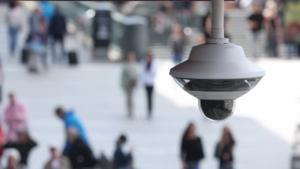
People get too caught up with megapixels. This often stops them from seeing what really makes a picture good. A 4K sensor might seem great, but without a lens that can handle that much detail, you end up with blurry high-res shots. The fact is plain: the glass is more important than the number.
Understanding the Megapixel Myth
The Limitations of High Megapixel Sensors
A bigger megapixel count doesn’t always lead to better pictures. The more pixels you have, the bigger the final image can be. But this works only if the lens can make those pixels sharp. When a sensor packs in too many pixels for the lens to keep up, you lose details due to light scattering and lens flaws. Lots of 4K sensors now go beyond what their lenses can do. This causes fuzzy edges and color bleeding.
Lens quality holds everything back. The specs of the lens directly shape how well the camera works. No matter how fancy your sensor gets, it still depends on the glass up front.
The Impact of Lens Quality on Sensor Resolution
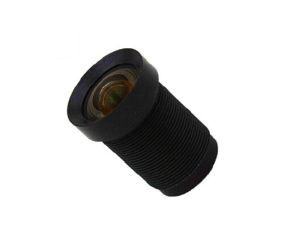
Even an 8MP or 12MP sensor won’t do well with a cheap lens. For example, a 2.0mm Ultra low curvature 4k M12 wide angle S mount straight cctv board lens gives a view up to 120° with 4K resolution. It does this because its optics fit that pixel level just right. The 4K resolution and 5G4P lens structure demonstrate how careful design can contribute to high resolution imaging.
Importance of Quality Lenses for 4K Sensors
Key Factors Influencing Image Clarity
Line Pairs Per Millimeter (LP/mm):
This measure shows how many black and white line pairs a lens can pick out per millimeter. The lens should handle more than 50 line pairs. For 4K sensors, lenses need to go over 80–100 lp/mm. Otherwise, you waste the sensor’s power.
Pixel Pitch:
Tighter pixel spacing makes things more picky about lens flaws. If your lens isn’t sharp enough for each pixel, small contrasts fade away. You see this a lot in security cams or factory setups.
Resolving Power:
A lens’s skill at spotting tiny details comes from its build and coatings. AICO engineers point out that this power must meet or beat the sensor’s Nyquist limit for real sharpness.
Modulation Transfer Function (MTF):
MTF means Modulation Transfer Function. It checks the contrast level or crispness of a lens. Strong MTF scores at low and high frequencies mean great contrast and sharpness all over the shot. That’s a sign of top-notch optics.
Choosing the Right Lens for Your 4K Camera
Types of Lenses and Their Applications
M12 CCTV Lens: These are small and handy. You find them in board cameras and built in systems where room is tight but you still need high res. They work well for tiny gadgets that want wide views without losing details.
CCTV Camera Varifocal Lens: These give adjustable focal lengths for changing spots like stores or road watching. The zoom can focus on its own at short and long ends. This lets you frame things just right without swapping gear.
Evaluating Lens Quality and Compatibility
When picking lenses:
- Look at material quality—glass cleanness affects light pass and color fix.
- Check how well it’s put together; close fits cut down on offcenter flaws.
- Make sure the mount fits (C-mount, CS-mount, or M12). C-mount: distance from lens mount reference surface to focal point is 17.526mm. CS-mount: distance from lens mount reference surface to focal point is 12.5mm.
- Match image circle size to your sensor format; wrong matches cause dark corners or unused pixels.
AICO’s design ideas stress this balance. They build each CCTV lens to keep steady work across mount types. And they make sure it’s tough for factory use.
The Role of Lens Manufacturers in Image Quality
Picking trusted makers means you get solid results at every lens part. High-def security lenses need better materials, advanced coatings, smart designs, exact part making, and strict putting-together steps. Firms like AICO show this by adding non-round elements, many layer coatings, and heat adjust designs to their work. This gives steady outcomes even when temps change.
Careful building cuts distortion too. That’s key for getting shapes right in machine sight or security checks. Even small bends can mess up measures.
Common Questions About Megapixel Lenses
Can standard analog lenses be used with modern IP cameras?
Not really well. Old analog optics seldom match today’s res needs. They were made for lower lp/mm levels and looser fits.
What determines whether a lens suits a high resolution sensor?
The match between lens detail power and pixel spacing is vital. If the lens can’t give enough contrast at that rate, your megapixels sit idle.
How does MTF testing ensure quality?
The testing spot is a dark room. The light comes from a halogen lamp. Parallel beams shoot from a collimator. This setup checks how contrast moves from object to picture across different frequencies.
Are all varifocal CCTV lenses suitable for 4K?
Only those built with low spread glass and exact focus parts keep sharpness through zoom. Budget ones bring in focus shifts or soft sides.
How do I identify reputable megapixel lens manufacturers?
Seek clear spec pages that list LP/mm scores, distortion rates, CRA numbers, and even field tests. These are things you always get from solid makers like AICO. They supply both factory vision setups and security teams around the world.