
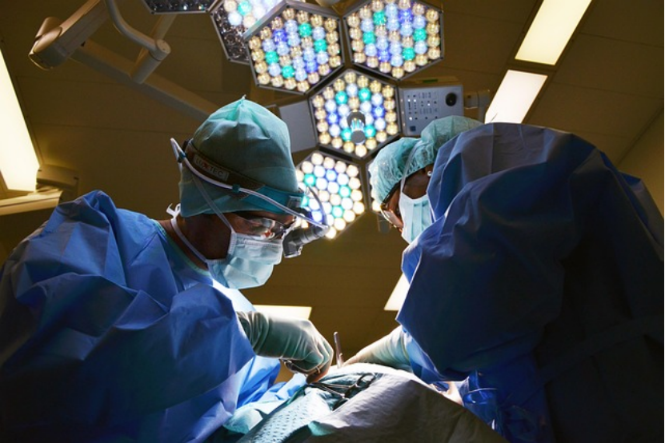
Medical imaging has completely changed how doctors look inside the human body. From endoscopy to many diagnostic devices, the quality of the lens decides how sharp and trustworthy the picture will be. Without the right optical lens, even a high tech sensor may fail to give useful data. In hospitals, this is not just a technical problem. It can directly influence treatment and patient safety. In this article, we will share key points about medical imaging lenses, explain why accuracy is so vital, and look at how lens design shapes results. We will also see how AICO provides reliable products that meet these challenges.
The Role of Lenses in Medical Imaging
Why the Lens Matters More Than You Think
A lens works like the human eye’s crystal. If that part of the eye is cloudy, vision becomes unclear. In the same way, a weak or distorted lens will make even the best camera sensor show a blurred image. For medical tools, this is more than just image quality. It could hide key details that doctors need. Clear pictures help doctors act with confidence, while poor ones raise risk.
Endoscopy and Its Demands on Optics
Endoscopes are small flexible cameras that let doctors explore organs inside the body. Because these devices go into very narrow spaces, they need lenses that are both compact and powerful. Low distortion is essential, as even a slight curve or bend in the picture may hide a serious health problem. A wide view is also important. With it, doctors see more of the area and reduce blind spots during surgery or checks.
Diagnostic Imaging Systems
Not only endoscopes but also other tools, like dental scanners, microscopes, and surgical guiding cameras, depend on precise lenses. These systems need both sharpness and true color. Without these, doctors may miss small but important changes in tissue.
Key Optical Parameters That Influence Quality
Resolution and Clarity
Resolution tells us how much detail a lens can show. In optics, it is often measured in line pairs per millimeter (lp/mm). A higher number means finer detail. In medical use, this is critical. For instance, a 5MP board lens can give doctors clear and sharp images of small tissues. This level of detail supports better diagnosis.
Distortion and Why It Must Be Controlled
Distortion happens when straight lines appear bent in the image. In a medical lens, even small distortion may cause mistakes. A blood vessel could look wider or a structure might seem misplaced. This is why low distortion lenses, like AICO’s M6 mount no distortion mini board lens, are so important. They help deliver true pictures of organs and tissues.
Depth of Field (DOF)
DOF shows how much of the image stays in focus at one time. In medical imaging, a deeper DOF lets doctors see tissue layers that lie at different depths without changing focus all the time. This feature is especially valuable in fast procedures. (e.g. AICO’s M2.6 Mount F4.0 / F5.0 endoscope medical equipment lens for 1/9″ )
Advances in Low Distortion and Varifocal Lens Design
Low Distortion for Reliable Diagnosis
Fixed focal lenses with very low distortion give more accurate results. They make sure that small tissues are seen in their true form. This is critical for endoscopy, where even a millimeter matters.
Varifocal Lenses in Specialized Imaging
Varifocal designs allow users to change the field of view without replacing the lens. Doctors and engineers can adjust quickly between wide views and close inspection. This saves time and keeps work smooth during medical checks.
Combining Wide Field and High Resolution
Recent designs balance wide field with ultra clear 4K resolution. With this mix, doctors can look at larger areas while still catching fine details. This reduces the chance of missing early signs of disease.
Where AICO Products Fit Into Medical Imaging
Compact Lenses for Endoscopy
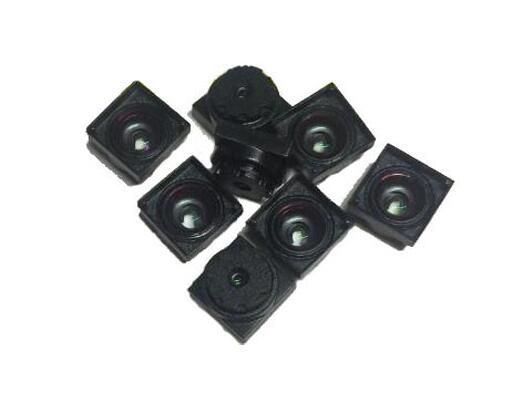
AICO produces miniature board lenses small enough to fit in slim endoscopes but still strong enough to deliver high resolution. These lenses help doctors view deep parts of the body safely and clearly.
Low Distortion Lenses for Diagnostics
For medical imaging systems where every detail matters, AICO’s no distortion mini board lens offers strong performance. It reduces the risk of misleading curves or shape errors.
Building Trust in Optical Technology
Over the years, AICO has become a reliable source of advanced optics. Their products cover industries from healthcare to automotive and security. This broad work shows their skill in solving complex imaging needs.
Choosing the Right Lens for Medical Devices
Matching Lens to Sensor Size
Lenses and sensors must fit each other. If the sizes do not match, the field of view may shrink or the picture may show errors. Choosing the right pair avoids these problems.
Balancing Focal Length and Field of View
Focal length decides how wide or narrow the view will be. A short focal length gives wide coverage. A long one shows detail in small spots. For endoscopes, short focal length lenses are often preferred, since doctors need to see as much of the inside as possible.
Considering Light Conditions
Inside the body, light is often weak. That is why many medical devices need lenses with larger apertures. These let in more light, giving brighter and clearer pictures even in dark areas.
Why Work with AICO
Experience and Manufacturing Strength
On get to know them, you can see AICO’s long track record in optical design and production. Their mix of R&D and strict quality checks helps create lenses that last.
Tailored to Industry Needs
Medical lenses need special designs. They must be small, safe, and highly precise. AICO offers solutions that meet these conditions, while also keeping the flexibility for OEM/ODM requests.
Easy Access and Support
If you want to learn more or start a project, you can contact them easily. Their engineers often work side by side with medical device makers, which helps projects move faster.
FAQ
Q1: Why is low distortion so important in medical imaging?
Because distortion can twist the shape of organs or tissue. Even a small error may cause doctors to read the picture in the wrong way.
Q2: Can one lens type serve all medical imaging devices?
No. Endoscopes need compact wide angle lenses, while scanners or microscopes often need higher resolution. Each device has its own needs.
Q3: Do medical lenses need coatings?
Yes. Anti reflection coatings cut down glare and boost picture clarity. This is critical when showing fine details inside the body.
Q4: How does AICO stand out from other suppliers?
AICO offers a wide range of low distortion and high precision lenses. Their mix of quality, flexibility, and custom service makes them a strong partner for healthcare device makers.