
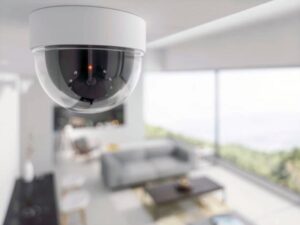
When it comes to home safety, picture sharpness, gadget dimensions, and setup matching all have big parts in figuring out how well a watching system works. So the M12 CCTV lens is getting more popular as a top pick for smart home safety camera arrangements. Its tiny build, lens flexibility, and easy fit with current tech setups make it useful and ready for what’s next.
Key Advantages of Using an M12 CCTV Lens for Residential Security
Compact Size and Lightweight Design
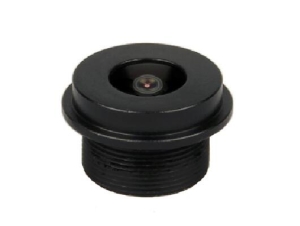
One quick plus of picking an M12 lens is its tiny space use. M12 lens are small sized lenses with a threaded mount of 12mm. And that fits them well for tight spots like front doors, garages, and window frames. Bigger lenses would not go there. They would hurt the look or how it works.
Plus, their light weight makes putting them into smart home gadgets simpler. This is true for small camera cases and IoT systems. Their size cuts down the total space for watching units. So they stay out of the way. Yet they give steady results.
Versatility in Focal Length Options
If you watch a tight hallway or a big backyard, an M12 lens setup probably matches. In 2026, several 5MP M12 lenses show as good picks for work uses. Take a 3.6mm 1/2.5″ 5mp M12 mount fixed cctv IR board lens . It gives clear pictures inside. A 25mm 5mp m12 board Lens one gives better detail from far away.
Durability for Long Term Outdoor Use
Home watching is not always safe from weather. That’s when toughness counts. If you seal them right, M12 lenses hold up against dirt, water, and bumps. These lenses fit great in work watching systems. So they work fine for steady outside use at homes too.
Weather changes all year—from cold winters to wet summers—need lenses that stay clear and strong. M12 lenses do that with good build and fine materials.
Discreet Surveillance Capabilities
No one wants big cameras messing up their porch or yard look. Many home owners like the slim style of an M12 smart home security camera setup. The small build lets you hide cameras in quiet spots or mix them with lights and walls.
This hidden side is not only for looks—it’s smart. Cameras that you don’t see much get touched less by bad guys. Spots like patios, back doors, or stairwells gain from this quiet watching.
Compatibility with Smart Home Features
M12 CCTV lenses mix well with new smart home safety setups. If you use Wi Fi cameras or phone app controls, these lenses manage sharp sensors. They also back night vision for dim spots.
The salient features of M12 macro lenses include small size, superior optical performance, and easy adaptability to various sensor sizes, especially important in today’s smart home integrations.
Many top manufacturers like AICO—known for their focus on industrial and machine vision optical systems—provide M12 lens options that work seamlessly with high resolution sensors and infrared capabilities.
Practical Scenarios for Using M12 Lenses in Residential Settings
Ideal Applications for M12 Lenses at Home
M12 lenses work best in spots where saving room and clear sight matter the same:
- Front doors and entry gates
- Garage interiors
- Narrow hallways
- Living rooms requiring minimal visual intrusion
- Backyards needing wide angle monitoring
Their versatility allows homeowners to deploy multiple units without increasing system complexity.
Situations Where Other Lens Types May Be Preferable
While M12s are excellent in most fixed applications, they may not be the best fit everywhere:
- Long distance perimeter monitoring might require telephoto or varifocal lenses
- Areas needing zoom control (like driveways) could benefit from C-mount lens
- High security zones demanding flexible focal adjustments will find interchangeable C-mount systems more adaptable
Comparing M12 (S-Mount) and C-Mount Lenses for Home Security Use
Differences in Design and Functionality Between the Two Mounts
M12 (also called S-mount) lenses are typically fixed focus and compact—great for embedded systems and space limited setups. In contrast:
- C-mount lenses are physically larger
- They offer interchangeable optics
- Provide manual control over focus and sometimes aperture
So while M12s shine in budget friendly or plug and play systems, C-mounts excel in more customizable or specialized scenarios.
Choosing the Right Mount Based on Installation Needs
Go with M12 if:
- You need compact cameras
- You’re working within a fixed layout
- Budget and simplicity are priorities
Opt for C-mount if:
- The application demands precise zoom or focus control
- The setup involves variable lighting or distances
- Swappable lens functionality is required
How M12 Lenses Fit Into a Modern Residential Security Ecosystem
Integration with Smart Devices and Networked Systems
M12 lenses work well with smart home hubs and mobile viewing apps. Cameras featuring these lenses can be linked to cloud storage solutions for remote playback and alert based monitoring.
Since many smart home security camera systems rely on compact hardware and seamless integration, the small size and adaptability of M12 lenses make them a natural fit.
Enhancing Overall Surveillance Efficiency at Home
You get good imaging performance without bulky installations. With M12 equipped cameras strategically placed around your home—entryways, backyard corners, staircases—you can create a comprehensive monitoring grid without overwhelming your network or your wallet.
AICO offers a robust catalog of M12 board lenses optimized for both CCTV and industrial use cases. Their commitment to optical precision makes them a strong option when reliability is non negotiable.
Frequently Asked Questions About CCTV Lens Options in Home Security Systems
Q: What Other Types of Camera Lenses Are Used in Residential Surveillance?
Besides M12:
- Varifocal lenses allow zoom adjustments based on scene requirements
- Fisheye lens offer panoramic views—great for open yards or large rooms
- Board lenses are cost effective for basic indoor use cases
Each type serves different spatial and functional needs.
Q: How Do Camera Placement and Lens Type Impact Monitoring Performance?
The success of your home surveillance isn’t just about the camera—it’s about where you place it and what lens you use.
Proper placement ensures field of view coverage aligns with your security goals. For example:
- Wide angle M12s at doorways catch more movement
- Narrower field of view lenses help focus on specific paths or entries
Lens selection also determines image clarity, depth perception, and how far away you can clearly see objects—especially important for facial recognition or license plate capture.
Combining thoughtful positioning with the right lens type helps you build an efficient residential surveillance setup that doesn’t overcomplicate things.
For homeowners seeking clarity without compromise—and minimal clutter—M12 CCTV lenses offer one of the most balanced solutions available today.